How to Get Consistent Engagement Without Posting Every Day
The advice to post every day gets repeated so often it sounds like a law of physics. It isn't. Some of the highest-engagement accounts post 2-3 times a week, not daily.
Overview
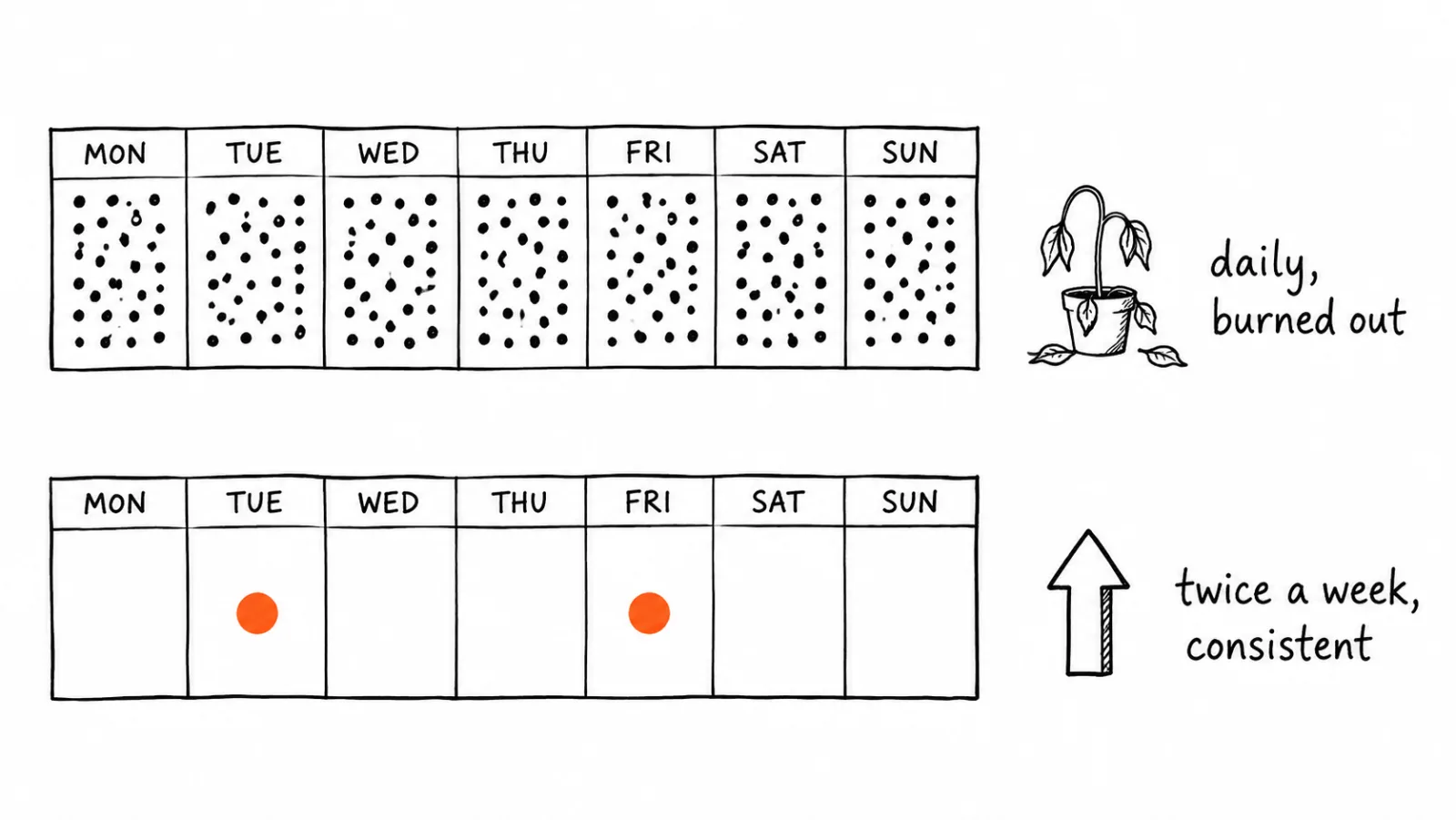
Here's what actually correlates with consistent engagement, and how to get it without posting daily.
Why 'Post Every Day' Became the Default Advice
More posting generally means more chances to reach the algorithm's distribution, and platforms do reward accounts that post regularly. But regularly and daily aren't the same thing. The daily-posting advice conflates volume with consistency, when what platforms and audiences actually respond to is a predictable, sustained pattern, whatever that pattern's frequency is.
What Actually Drives Engagement
Consistency of schedule, not frequency of posts. An account posting reliably every Tuesday and Friday trains both the algorithm and the audience to expect content at predictable times. That predictability matters more than raw volume.
Quality per post. A lower-frequency account posting genuinely valuable content tends to outperform a high-frequency account posting filler, because engagement rate, not just reach, factors into how platforms distribute future content.
Response speed to early engagement. Replying to comments within the first hour or two of posting signals to the algorithm that the content is generating real interaction, which affects further distribution. This matters regardless of how often you post.
Content that earns saves and shares, not just likes. Platforms increasingly weight saves and shares more heavily than likes, since they indicate content valuable enough to revisit or pass along. This is achievable at lower frequency if the content is more substantial.
Common Mistakes in the 'Post More' Approach
Sacrificing quality for volume. Daily posting without enough substance to sustain it leads to filler content, which tends to underperform and can even suppress an account's overall reach if engagement rates drop.
Inconsistent scheduling disguised as high frequency. Posting 5 times one week and zero the next is worse for algorithmic trust than posting twice a week, every week, without fail.
Ignoring engagement follow-through. Posting and disappearing, not responding to comments, misses a significant portion of what actually drives continued reach for that post and future ones.
Burning out and going silent. The most common failure mode of daily-posting advice is unsustainable pace leading to a multi-week gap, which does more damage to algorithmic trust than a consistent lower frequency ever would.
Not tracking what content type actually drives saves and shares. Without checking, accounts keep producing content optimized for likes, which platforms increasingly deprioritize, instead of saves and shares.
A Sustainable Framework
- Pick a frequency you can sustain for a year, not a month. Two to three times a week is realistic for most solo operators and small teams without burning out.
- Fix the schedule and stick to it. Same days, roughly the same time, every week. Predictability compounds over months.
- Prioritize save-worthy and share-worthy content over frequent filler. One substantial post beats three shallow ones for algorithmic performance and audience trust.
- Build in engagement time after every post. Reply to comments in the first hour or two consistently, regardless of posting frequency.
- Batch-create to protect the schedule during busy weeks. Having content ready in advance prevents the burnout-driven gaps that hurt consistency more than lower frequency ever does.
What the Data Actually Shows
Video posts get meaningfully more engagement on LinkedIn compared to static posts, and TikTok videos posted with trending sounds see higher reach than those without. Neither of these correlates with posting frequency, they correlate with content choices within whatever frequency you sustain. Instagram Reels with text overlays get significantly more saves regardless of how often the account posts overall.
What Not to Automate
Don't automate replies to comments to maintain the appearance of engagement, and don't buy engagement, likes, comments, followers, to compensate for lower frequency. Both are easily detected and damage trust more than slower organic growth. Automate production and scheduling. Keep engagement itself human and consistent.
How to Tell If Your Frequency Is Working
Judge a schedule on its worst week, not its best post. A single post that outperforms everything else tells you little about whether the schedule holds. What tells you it holds is whether the weeks you did not feel like posting still produced a post. Look back at the last eight weeks and count the ones where every planned slot got filled. If that number is under six, the frequency is too high for your capacity, not too low for the algorithm.
Track engagement rate per post rather than total engagement. Divide the interactions on a post by the reach it got, and watch that figure across a couple of months. Total engagement rises whenever you post more, which makes it useless for deciding whether posting more was the right call. Rate holds volume constant, so it tells you whether the individual posts are getting better or thinner.
Watch the ratio of saves and shares to likes. Since platforms weight saves and shares more heavily, that ratio is the closest thing you have to a quality signal you can check yourself. If it climbs while you post less, the lower frequency is buying you better content. If it falls, you have cut volume without spending the recovered time on substance.
Check whether your comment reply window is holding. Replying within the first hour or two only helps if you can do it every time. If you are consistently missing that window, you are posting more often than you can support, and the fix is fewer posts rather than more discipline.
What Lower Frequency Cannot Fix
A weak offer or unclear positioning. If people cannot tell what you do within a few seconds of landing on your profile, the number of posts a week is not the constraint. Posting twice a week instead of seven times just spreads the same confusion over a longer period.
Content nobody was going to save at any frequency. Cutting to two posts a week only helps if the freed hours go into the posts that remain. If the same shallow content simply appears less often, engagement falls along with the volume and nothing else changes.
A cold start on a brand new account. New accounts have no established pattern for the algorithm to learn, and predictability is worth less when nobody is expecting the pattern yet. Early on you may need higher volume for a stretch, simply to give the platform enough material to test.
Platform mismatch. A schedule tuned for LinkedIn will look sparse on TikTok, where content lifespans are shorter. If one platform underperforms across months of consistent posting, the fix is usually a different content format for that platform, not a different cadence.
Where to Start
Consistent engagement comes from reliability and quality, not raw volume. See how a content calendar helps maintain a sustainable schedule, or check the brand kit for keeping quality consistent at whatever frequency works for you.
FAQ: How to Get Consistent Engagement Without Posting Every Day
It can be, if the content is consistently high quality and posted on a predictable schedule with genuine engagement follow-through. Growth will be slower than higher-frequency accounts with similar quality, but it's sustainable.
Related Guides
Apr 26, 2026 · 10 min read
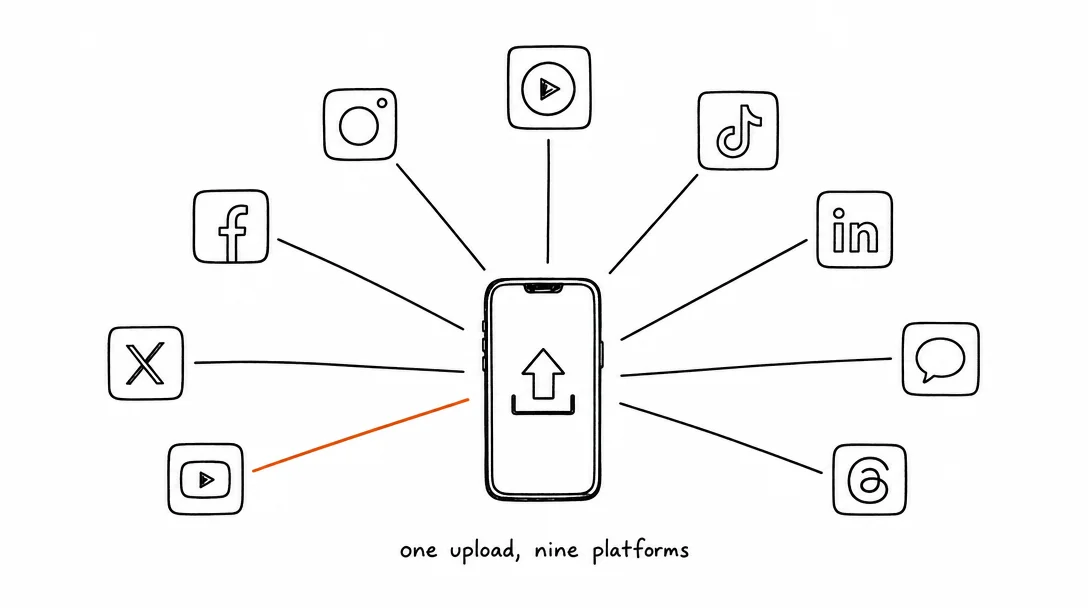
How to Post to 9 Platforms at Once
Stop logging in 9 times. Schedule everything, Instagram, TikTok, YouTube, LinkedIn, and more, from one place.
Apr 26, 2026 · 7 min read
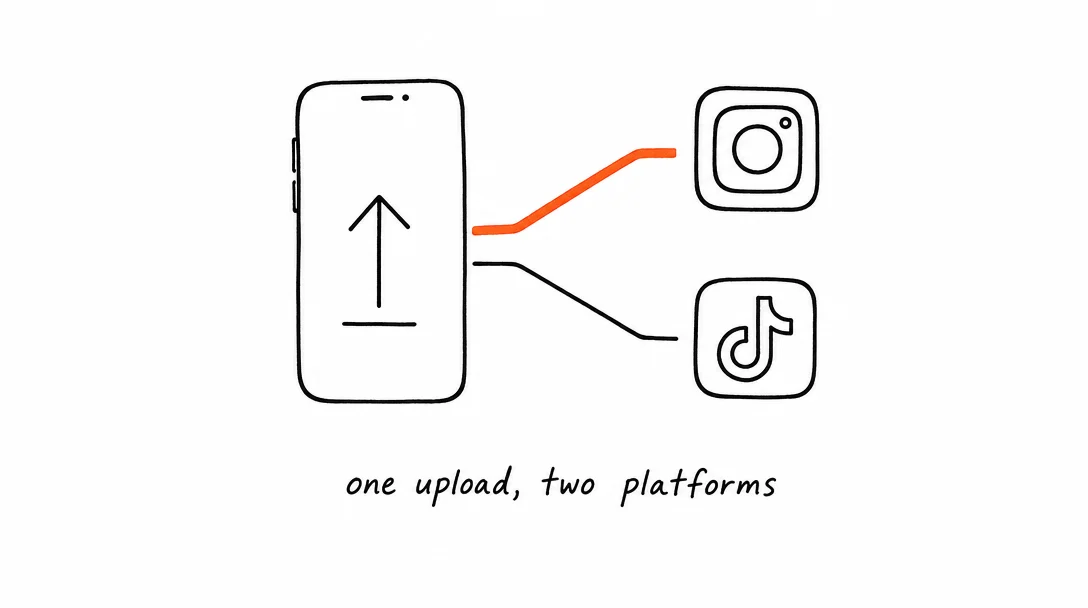
How to Post to Instagram and TikTok at Once
Upload once and publish to both Instagram and TikTok simultaneously. No double-uploading, no app switching.
May 19, 2026 · 8 min read
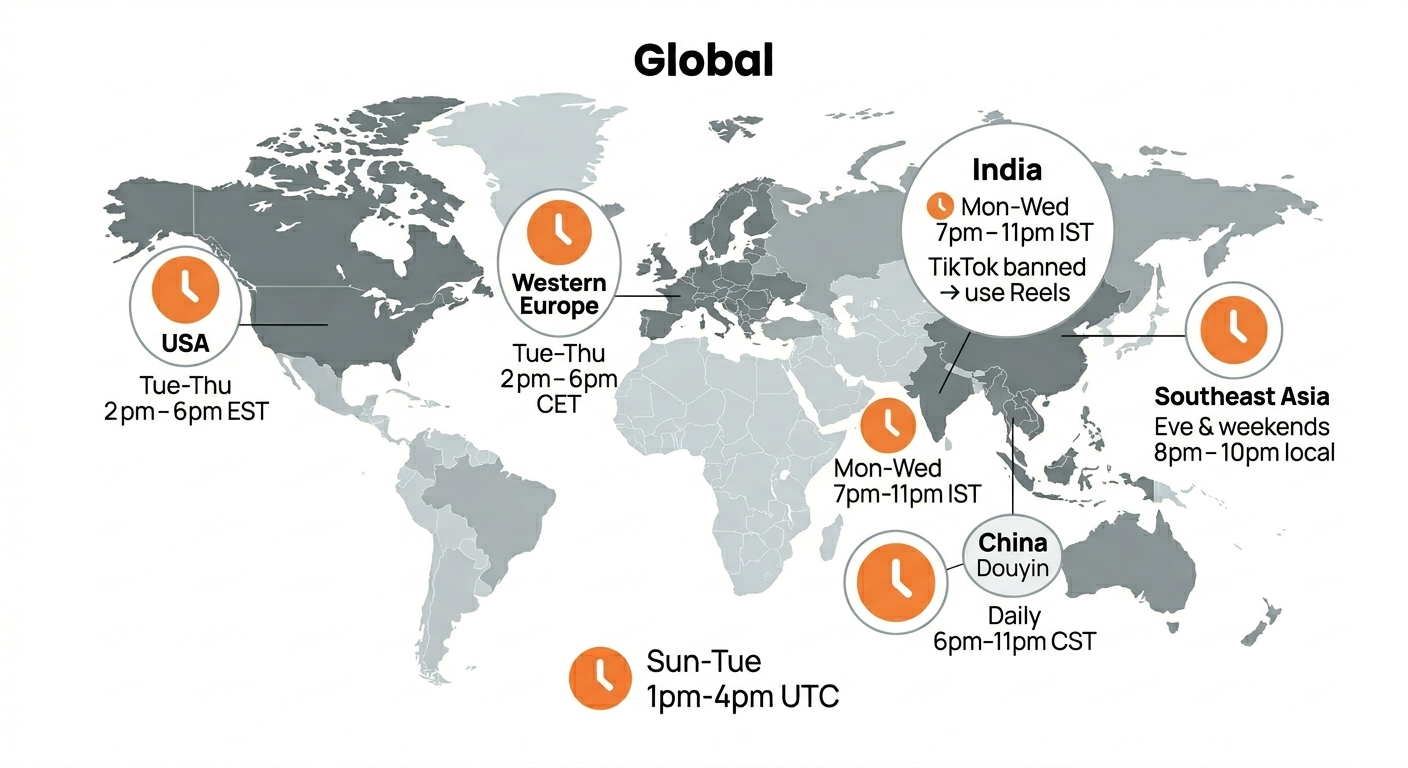
Best Time to Post on TikTok in 2026 (By Region)
Data from 2 billion TikTok engagements. Best posting times broken down by region, USA, Europe, Southeast Asia, and global audiences.
Your brand. One platform. Always on
Create, edit, and post from a single studio.
Start for freeSchedule every platform from one place, automatically.